Petroglyphs - Rock Art
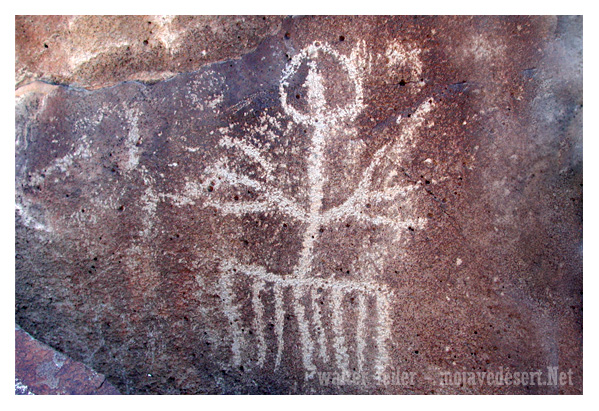 Rock art comes in two varieties, petroglyphs and pictographs. The difference between the two types is the manner in which they were made.
Petroglyphs were pecked into the surface of the rock. Pictographs were painted on the rock. A coating of dark "desert varnish" on lighter
rock provides the perfect medium for petroglyphs, which are the most common of the two types of rock art found.
Rock art comes in two varieties, petroglyphs and pictographs. The difference between the two types is the manner in which they were made.
Petroglyphs were pecked into the surface of the rock. Pictographs were painted on the rock. A coating of dark "desert varnish" on lighter
rock provides the perfect medium for petroglyphs, which are the most common of the two types of rock art found.
Geoglyphs and geoglyphic itaglios are another form of rock art found. Rocks are rearranged and stacked, usually over large areas in the case of geoglyphs. Itaglios are usually made by removing rocks or otherwise incising the design into the desert pavement.
Please Do Not Touch
Rock art is both enduring and fragile. It has survived for centuries, and in some cases far longer, yet it can be damaged very easily. Many panels have been defaced by graffiti, careless climbing, or attempts to make images stand out more clearly for photographs. Chalking, tracing, wetting, or otherwise altering rock art is destructive and should never be done.Even the oils from human hands can damage these ancient cultural remains. Please do not touch rock art panels or related features.
Rock Art Etiquette
There are many things that can add to a meaningful visit to an archaeological site, but the most important is leaving with a greater understanding of the past and knowing you left the place undisturbed for others. Respectful visitation helps preserve these sites for future generations and for the Native communities to whom they still matter today.Rock circles, alignments, and other stone features may hold important cultural and archaeological meaning. Moving stones or disturbing these features can destroy evidence before it can be understood. Walk carefully across desert pavement, where footprints and off-trail travel may damage geoglyphs, ancient paths, or other fragile traces.
If you find an object of archaeological interest, stop to observe it and photograph it if you wish, but do not move or disturb it. Ruins, petroglyphs, pictographs, and geoglyphs remain important to Native people today, just as they were in the past. Altering these places or the surrounding landscape can be offensive to tribal communities who continue to value them as ancestral places.