-.-
Daggett, California
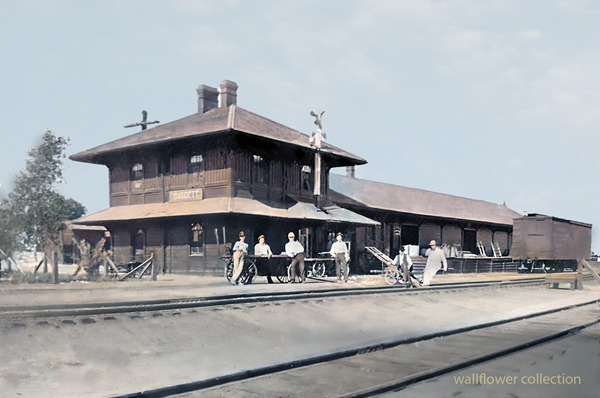
(Daggett depot — Santa Fe era site)
Daggett depot - Santa Fe-era site
Daggett, California, is small today, but it once stood at an important crossing of railroads, mines, wagon roads, and desert freight routes. Its history follows a familiar Mojave pattern: sudden growth, hard-earned infrastructure, economic change, and a long life after the boom had passed.The Mojave River Corridor
Long before Daggett was established, the Mojave River served as a natural travel and water corridor through the desert. Native trails, the Old Spanish Trail, the Mormon Road, and later wagon roads followed portions of the river. Camp Cady, located farther downriver, reflected the effort to protect travelers and freight traffic during periods of conflict.Railroad Birth: The Calico Silver Boom
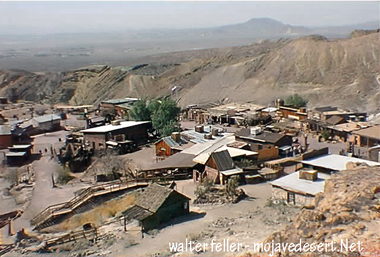
Daggett developed after the discovery of rich silver deposits in the Calico Mountains in 1881. The Southern Pacific Railroad built eastward from Mojave through the future townsite in 1882. Southern Pacific then leased this desert line to the Atlantic & Pacific Railroad, which became closely associated with the Atchison, Topeka & Santa Fe system.The new station was first associated with Calico and was sometimes called Calico Junction. In 1883, it was named Daggett for John Daggett, California's newly elected lieutenant governor and a man with mining interests of his own.
Daggett quickly became the supply and shipping point for Calico and other mining camps. Lumber, machinery, food, fuel, and household goods arrived by rail. Silver ore and processed bullion moved in the opposite direction.
Early plans considered Daggett for a larger railroad terminal, but high land prices and other practical considerations worked against it. By 1886, the principal railroad facilities had shifted west to Barstow. Daggett remained an important station, but Barstow became the region's main railroad center.
The Waterloo Mining Railroad
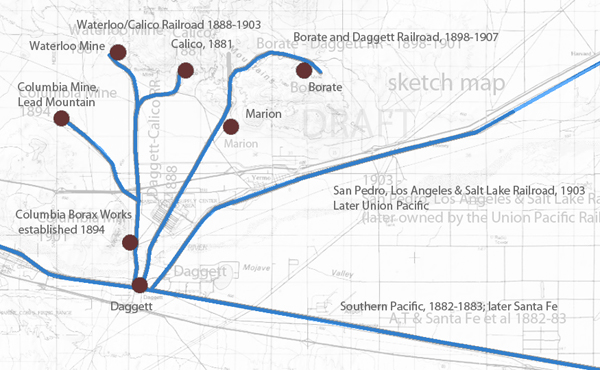
In 1888, the Waterloo Mining Company completed a narrow-gauge railroad between the Calico mining district and its mills near Elephant Mountain. Commonly called the Calico Railroad or Waterloo Mining Railroad, the line carried silver ore from the Waterloo and Silver King mines to the milling complex across the Mojave River from Daggett.The railroad did not enter the center of Daggett, but it connected the mines with Daggett-area mills and nearby main-line transportation. Its two small locomotives, Uncle Dan and Emil, became familiar parts of the Calico mining operation.
Borax and the Big Freighters
As Calico's silver production declined, borax gave Daggett another period of importance.The famous twenty-mule-team story belongs to two related periods. The original Death Valley teams hauled borax from the Harmony works to the railroad at Mojave. During the 1890s, Pacific Coast Borax Company teams hauled borate ore from the Borate mines east of Calico to the railroad at Daggett.
These later teams used the same style of massive wagons and long mule hitches that had become famous in Death Valley. An experimental steam tractor called Old Dinah was tried as a replacement, but the machine proved poorly suited to the steep grades and loose desert ground.
In 1898, the narrow-gauge Borate and Daggett Railroad replaced the mule teams. The approximately eleven-mile line ran from the Borate mines through Mule Canyon toward Daggett. Two geared steam locomotives, Marion and Francis, hauled the ore. Borate mining declined after 1904, and the railroad was abandoned in 1907 when Pacific Coast Borax shifted its attention to richer deposits near Death Valley.
The Highway Era
Daggett received another stream of travelers during the automobile age. The National Old Trails Road and, beginning in 1926, U.S. Route 66 carried motorists through town. Garages, stores, cafes, and service stations replaced some of the business once supplied by mining and railroad traffic.Daggett never became entirely abandoned. It simply grew quieter as mining declined, railroad operations concentrated elsewhere, and Interstate 40 diverted most highway traffic away from the old road.
Buildings That Tell the Story
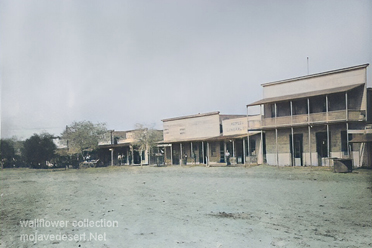
The Stone Hotel is Daggett's best-known surviving building. Constructed in 1883 as a railroad hotel and eating house, it served passengers before dining cars became common. Built of stone held together with adobe mortar, it is an unusual surviving example of early Mojave Desert construction. The building later became associated with Aaron Winters and Walter Scott, better known as Death Valley Scotty.The Daggett Garage represents another part of the town's working history. Its railroad-related origins and later use as an automobile repair shop connect the mining and railroad period with the Route 66 era. Local history also records its use during World War II by troops assigned to protect nearby railroad facilities.
Daggett's cemetery, remaining homes, commercial buildings, railroad traces, and mining foundations form a scattered record of the community. They are not the remains of a manufactured western attraction. They are the surviving entries in a real desert ledger - transportation, mining, labor, enterprise, decline, and endurance.
References
California Office of Historic Preservation, Stone Hotel National Register nomination.Cindy Baker, Of Mines and Mules: A History of Daggett, Mojave River Valley Museum and PAR Environmental Services, 2015.
San Bernardino County, Daggett Community Profile, 2019. Nestled in the heart of the Mojave Desert, Daggett, California is small today, but it once sat at the crossroads of rails, mines, and desert freight. Its story follows a familiar Mojave pattern — sudden importance, hard-earned infrastructure, then a long, stubborn afterlife.
Long before the town was platted, the Mojave River corridor functioned as a travel-and-water line through the desert. Trails and later wagon routes threaded this river corridor, and the Camp Cady military presence (downriver) reflects the wider push to secure movement on these desert lines during periods of conflict.
Railroad Birth: Calico-era Boomtown Logistics
Daggett formed in the early 1880s when silver discoveries in the Calico Mountains drove a surge of people, freight, and speculation. A railroad station was established here in 1882 as the Atlantic & Pacific (Santa Fe system) pushed its transcontinental line across the Mojave, and Daggett quickly became the practical railhead for Calico and the nearby camps. The place was soon renamed for California Lieutenant Governor John Daggett (spring 1883). Plans to make Daggett the main rail hub faded, and the primary yards ultimately shifted to Barstow as the region’s railroad center of gravity changed.Daggett’s role was practical: it served as a supply and shipping point for Calico and nearby camps. In 1888, a narrow-gauge ore line — widely remembered as the Calico Railroad / Waterloo Mining Railroad — tied the Calico district into Daggett-area milling and rail connections, reinforcing Daggett as a desert transportation hinge.
Borax And The Big Freighters
When silver waned, borax carried the next chapter. The famous “20-mule team” story is best told in two phases: the original Death Valley hauling made the teams famous, and later the operation shifted to Borate (near Calico), with heavy wagons hauling borax to the Daggett railhead from the early 1890s until 1898. In 1898, the Borate and Daggett Railroad replaced the mule teams, ending the most cinematic part of the work.Highway Era And A Long Afterlife
In the automobile age, the old desert roads mattered again. National Old Trails Highway traffic and then Route 66 kept Daggett on the map as a service stop even after the mining peaks had passed. The town never turned fully ghost — it simply got quieter, like so many Mojave rail-and-mine junctions once the big money moved on.Landmarks That Still Tell The Story
Daggett’s surviving buildings still carry the working fingerprints of the boom years. The Stone Hotel remains the town’s most iconic remnant of early prominence. The Daggett Garage traces back to an 1880s railroad-and-mining–era shop building (often described locally as a rail-related repair facility); during World War II it served as a mess hall for troops guarding nearby railroad bridges, and after the war it became the long-running Fouts brothers’ auto shop.Daggett’s cemetery and scattered structural remnants are the quiet ledger entries of the place — not a theme-park past, but the real desert balance sheet of transport, extraction, and endurance.
-
the town of Calico
Southern Pacific Railroad
borax
10 stamp mill
Mojave River
20-mule teams
Furnace Creek Ranch
Death Valley
Francis Marion "Borax" Smith
Harmony
San Bernardino County
National Old Trails
Route 66
Southern Pacific
Santa Fe
Borax
Chronology
Daggett Weather
Desert Market
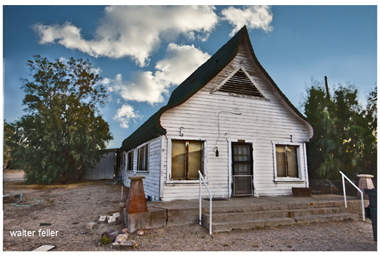
Inspection station residence - 2013
Daggett Garage
Daggett Ditch
Stone Hotel
Pioneer Cemetery
Minneola
Borate & Marion
Desert Market
v2.jpg)
Alf's Blacksmith Shop
Calico Mining History
A railroad named the Borate & Daggett was laid into Mule Canyon in 1898. ...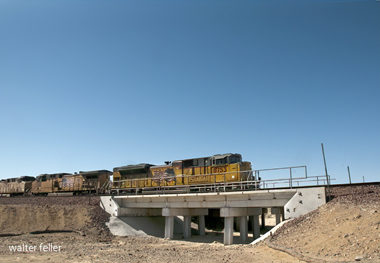
Daggett Misc. Gallery
Trans-Mojave Desert Railroad
-
Daggett. Here is an old historical town, older than Calico. In 1880 to the railroad was constructed through the community and it was named after Lieut. Gov. John L. Daggett the following year. When silver and borax mining activities ceased, it became dormant. In 1908 it was the locale for Western movies. Strategically located on Highway 66 and served by the Santa Fe and Union Pacific, it is obvious that Daggett is enjoying a surging rebirth, all the more pronounced because of the close proximity to the US Marine Corps Supply Center and the Daggett Airport.
~ Heritage of the Mojave River Valley